


The Power of Your Service WHY: Strengthening Play and Playwork Culture
– Angus Gorrie, The Outsiders Play Advocates
Successful services know what they do and how they do it, but truly impactful services can clearly articulate why they exist. A Service WHY is more than a mission statement. It is the shared purpose that guides decision-making, relationships, and everyday practice.
In OSHC and early childhood settings, a strong WHY helps teams create meaningful environments where children feel connected, valued, and empowered through play. It provides a foundation for intentional playwork, strengthens consistency across teams, and supports reflective, values-driven practice. When educators share a common understanding of why play matters, they move beyond simply delivering activities to creating experiences that nurture belonging, curiosity, wellbeing, and growth.
Join Angus as he shares how developing a collective Service WHY has transformed practice within his own services. Through discussion and practical activities, delegates will reflect on their values, explore the foundations of their own WHY, and begin developing a purpose-driven vision for their service.

“Policy Puzzle- Solved!”
– Helen Flugge & Fiona Rudkin, Child Australia
Policies are important because they help keep Children, families, and educators safe. However, policies can sometimes be long and difficult to understand.
This training will break down policies into simple, easy-to-understand language. Educators will learn what policies mean, why they are important, and how to use them in everyday practice. The training will focus on turning policy information into practical actions that support quality care and education.
By the end of the session, educators will feel more confident reading, understanding, and following service policies in their daily work.

A Holistic Education and Wellbeing Framework: A Culturally Grounded Model for Inclusive Education and SEWB
– Angela Ross & Lare Stanton, Batchelor Institute of Indigenous Tertiary Education
This interactive workshop explores how Universal Design for Learning (UDL) can integrate with Aboriginal ways of knowing, being and doing to support neurodiversity and inclusive practice in ECEC.
Drawing on applied practice at Batchelor Institute, you’ll explore relational, strengths-based approaches centring identity, belonging and social and emotional wellbeing, moving beyond compliance-based inclusion toward meaningful, community-informed practice.
You’ll leave with:
- Practical ways to embed yarning, storytelling and sensory-informed practice
- Co-designed learning experiences aligned with EYLF and UDL
- Strategies for adapting curriculum, environments and assessment
- A deeper understanding of culturally safe approaches to SEWB

“Music, Movement and Regulation: Inclusive Strategies for Early Learners”
– Leonie Cecich, Kids ’n’ Music
Leonie Cecich from Kids ‘n’ Music presents a hands-on workshop exploring how music and movement can support regulation, engagement and development for children aged 0 to 8.
Drawing on 30 years in music education and lived experience as a parent of a child with Down syndrome, Leonie shares original music from her You Gotta Get Up series to support communication, attention and body awareness through singing, key word signing, rhythm and sensory materials.
You’ll leave with:
- A practical toolkit of music and movement strategies
- Confidence using rhythm and sensory activities to boost participation
- Ideas for transitions, group time and movement breaks
- A deeper understanding of music as an inclusive, play-based tool
Experience the activities as a learner first, then reflect on adapting them for your own setting.
Get to know the Speakers
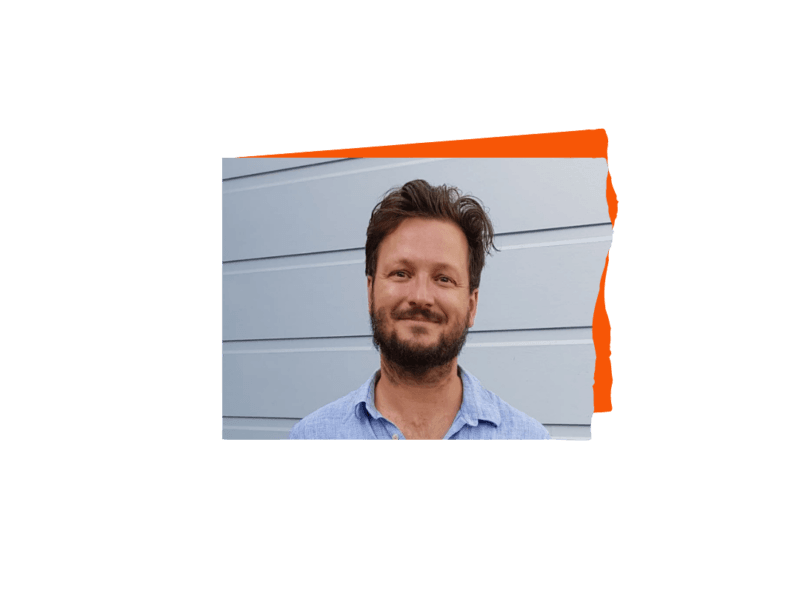
Angus utilises his Bachelor of Behavioural Science and Psychology in combination with a Playwork Certificate, and nearly 2 decades experience applying both in the field, and leading teams, to inform his play pedagogical approaches. This ensures The Outsiders Play Advocates deliver outstanding playwork inspired programs that align with the Outside School Hours Care (OSHC) learning framework, My Time, Our Place (MTOP). As an independent researcher and author in the field of Playwork, Angus is at the forefront of exploring the profound connection between play and well-being and enjoys bringing his teams along for the ride!
Within The Outsiders Play Advocates consultancy branch, Angus has inspired countless educators and teachers, empowering them to embark on their own play journeys within their work environments. His commitment to advancing an understanding of the broad scope of play has left a lasting impact on individuals and educational communities alike.
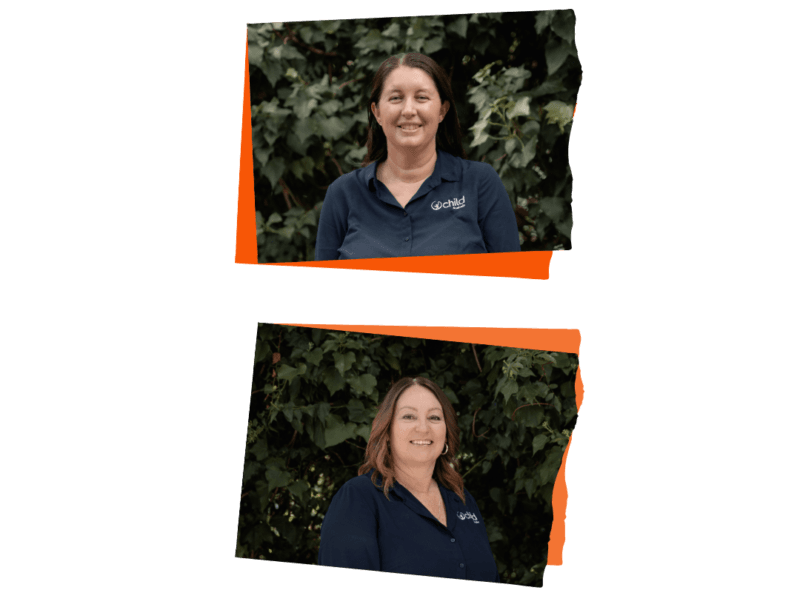
Helen has 25 years experiance working in Community Services and Early Childhood Education and Care sector in Western Australia and Northern Territory, including teaching the national qualifications in both Community Services and Education and Care.
Helen holds multiple qualifications in Early Childhood, Community Services, Business, Education Support and Training and Assessment.
Throughout her career, she is has specialised in child safeguarding and championing the development and delivery of Education in this area.
Helen is passionate about bettering outcomes for children through supporting their wellbeing and development of them and their families.
Fiona brings experience spanning 30 years in Corporate Management highlighted by her tenure as the co-owner of a Childcare Centre. With qualifications in both the Early Years and Disability Sectors, Fiona’s extensive background has supported consultancy roles in Early Childhood Education and Care settings, and subsequent management positions of Disability Employment Agencies.
During a 5-year residence in Phuket, Fiona delivered private English tuition to Thai-speaking children and adults. This led to a consultancy role for a training organisation, the highlight being facilitating Teaching English as a Second Language to training teachers in primary schools in Thailand. Fiona’s focus remains steadfast on the enduring success and sustainability of educational professionals, with emphasis on creating Early Learning environments that are not only sought–after workplaces, but also nurturing spaces for the holistic advancement of educators.
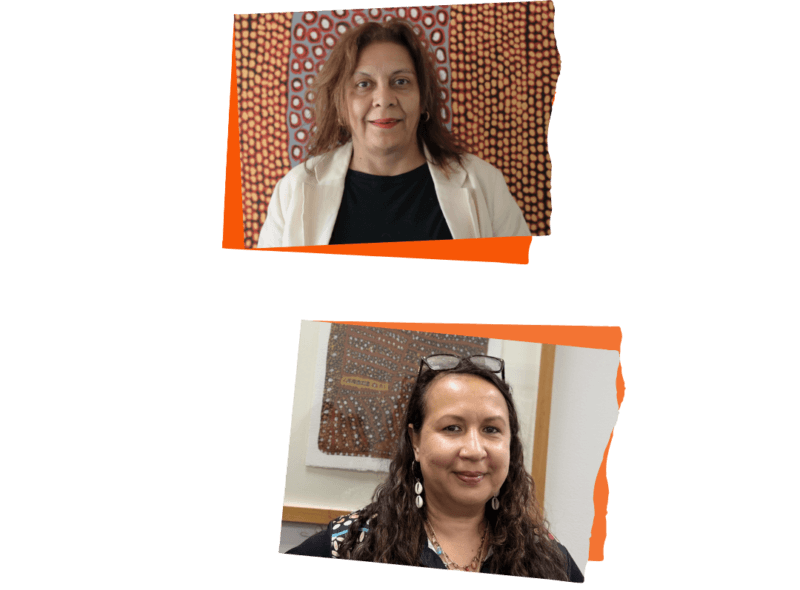
Angela Ross is an experienced educator with over 30 years’ practice in Indigenous education, specialising in Literacy, Numeracy, and community-based learning. She currently works in Vocational Education and Training (VET) within Early Childhood Education and Care (ECEC) at Batchelor Institute, where her team delivers Certificate III and IV programs using culturally responsive and inclusive pedagogies.
She recently completed a Master of Education (Autism, Indigenous Education and Inclusion), with a focus on the application of Universal Design for Learning (UDL) in culturally diverse contexts. Her work examines the alignment between UDL principles and Aboriginal ways of knowing, being and doing, with particular emphasis on supporting neurodivergent learners and strengthening inclusive practice.
In addition to her formal education role, Angela Ross is a Wayapa Wuurrk practitioner, facilitating Women’s Healing Circles and working with children and young people in community contexts. Her practice integrates education, social and emotional wellbeing (SEWB), and cultural knowledge.
She is also an artist, fashion designer, and singer-songwriter, incorporating creative practice into her work as a means of supporting identity, engagement, and empowerment. Her current focus is on developing culturally grounded frameworks that integrate education, wellbeing, and creative practice to improve outcomes for Indigenous women, children, and communities.
Lare Stanton is an experienced Indigenous Early Childhood Education and Care (ECEC) educator and lecturer with decades of experience working across the Northern Territory, Western Australia and Queensland. Her work is grounded in Aboriginal ways of knowing, being and doing, with a strong commitment to culturally responsive, community-connected education and lifelong learning.
Lare has extensive experience delivering education and training both on Country and within remote and regional communities, supporting children, families, educators and communities through strengths-based and relational approaches. Her practice is deeply informed by culture, language, identity and connection to Country, with a focus on creating safe, inclusive and meaningful learning environments that honour Indigenous knowledge systems and lived experience.
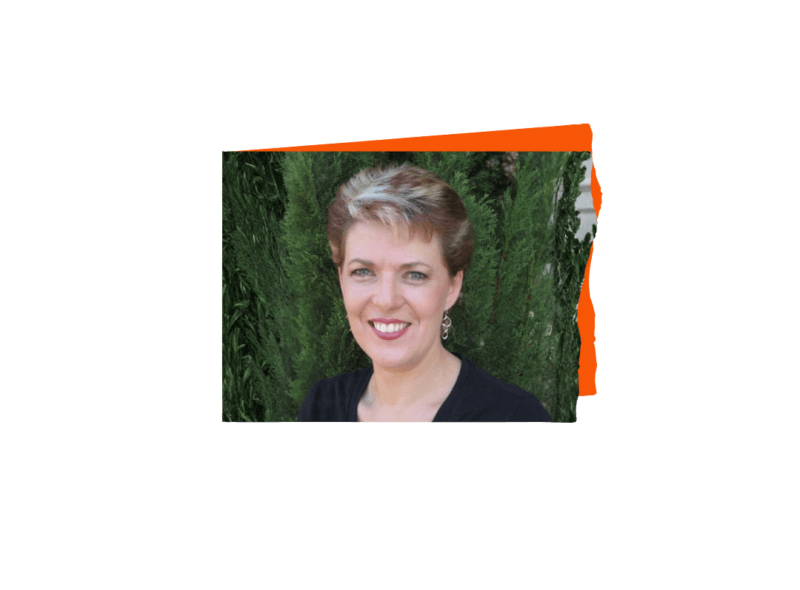
Leonie Cecich (B.Ed) is a primary school music specialist and early childhood music educator with over 30 years of experience across a wide range of educational and musical settings. Her work has included running music tutorial groups for early childhood pre-service teachers at Edith Cowan University, teaching in primary schools and education support centres, working in early childhood settings, teaching piano, and directing both children’s and adult choirs.
Leonie is the creator and director of Kids ’n’ Music, developing inclusive, play-based music programs that support communication, regulation and engagement for young learners. Her You Gotta Get Up series incorporates music and movement experiences designed to reinforce early intervention concepts in an accessible and engaging way, drawing on principles aligned with occupational therapy, speech therapy, physiotherapy, psychology and movement-based learning.
Her work is also informed by lived experience as a parent of a son with Down syndrome and ADHD, which has deepened her commitment to inclusive, strengths-based approaches that support participation for all children.
Leonie has been recognised for her contribution to music education, receiving the National Award for Excellence in School Music Education (2008) and the Early Childhood Intervention Australia Excellence Award (2012).
Looking forward to hearing from you!
Do you have a question about the Little People, Big Dreams Conference? Want to get involved? We would like to hear from you!