
Sponsored by Hesta


Building a Culture of Custodianship in Early Childhood Settings
**This session is combined with Ballroom B**
– Jessica Staines, Koori Curriculum
What does it mean to move beyond teaching children about caring for the world, to instead nurturing a deep sense of custodianship, responsibility and reciprocity?
This thought-provoking and practical session explores how Aboriginal perspectives can help educators reimagine sustainability and community through the lens of relational pedagogy. Drawing upon Aboriginal ways of knowing, being and doing, participants will reflect on how custodianship is not simply about caring for the environment, but about understanding our interconnected responsibilities to people, place, culture and community.
Together, we will unpack a framework for embedding custodianship into everyday practice through:
• Relational responsibility and the importance of connection, belonging and reciprocity
• Cultural responsibility and honouring Aboriginal perspectives respectfully and meaningfully
• Advocacy and allyship within early childhood settings and wider communities
• Environmental stewardship and creating sustainable relationships with Country
• Recognising the many ways children already experience and demonstrate custodianship in their daily play, rituals, routines and inquiries
Through storytelling, case studies and practical examples from early learning settings, this session will support educators to move beyond tokenistic sustainability practices and toward creating cultures where children learn to care for Country, community and each other in authentic and meaningful ways.

Regulation Before Readiness: Supporting Behaviour, Learning and Participation Through a Nervous System Lens
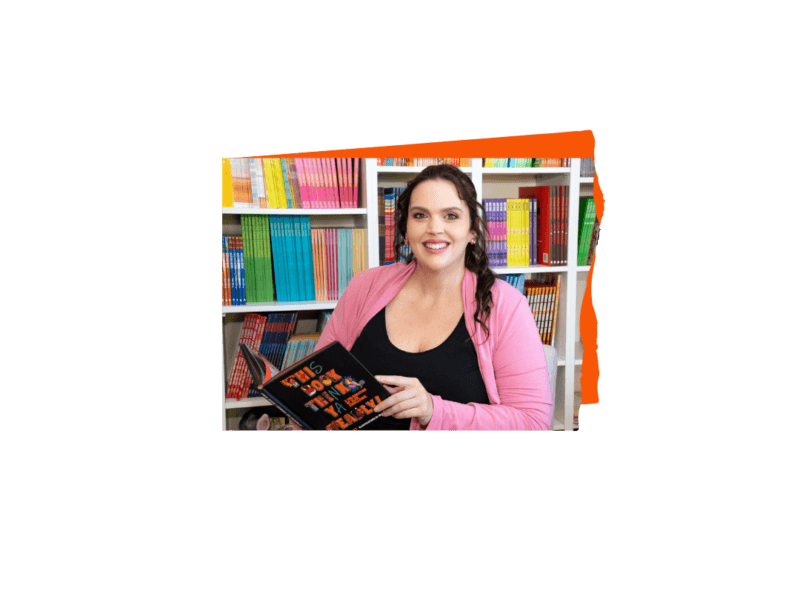
– Beryl Smith, Sensory SMART OT
When children struggle to transition, sit still, regulate emotions or cope with learning demands, it’s often mistaken for “bad behaviour.” Sometimes a child simply isn’t regulated enough to meet what’s being asked of them.
This interactive workshop introduces The Regulation Hourglass™, a practical framework from paediatric occupational therapy, helping educators and caregivers recognise when a child is being asked for readiness before regulation.
Using real classroom and family examples, you’ll learn to spot early signs of sensory overload, emotional flooding and fatigue, and the common adult habits (like rushed transitions or mistimed demands) that unintentionally increase dysregulation.
Walk away with simple, ready to use strategies, including pacing, simplified communication and co-regulation support, that you can apply straight away.
By the end of this session, you’ll be able to:
- Recognise when a child’s nervous system capacity is affecting their behaviour or learning
- Spot expectation mismatches that increase dysregulation
- Apply practical, regulation-first strategies to improve engagement and inclusion

“A Wider Lens on Play: Engagement, Behaviour, and Belonging”
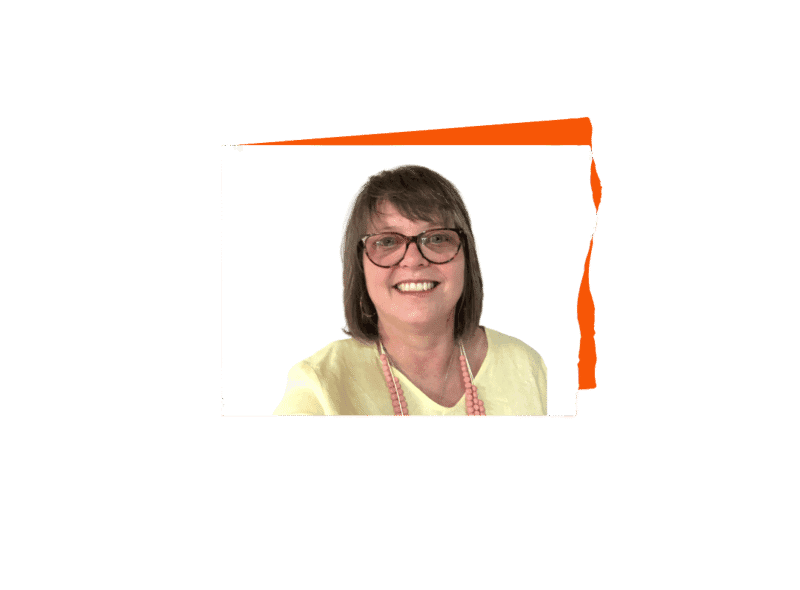
– Kelly Oldfield, Child Development and Behaviour Specialists
Play is often where educators first notice behaviour, engagement, peer interaction, communication, and regulation needs. This workshop takes a wider lens on play, not just as a learning experience, but as an important context for understanding what may be influencing a child’s participation and behaviour.
The session will focus on practical educator strategies that can be used in real early years settings. Participants will explore what they are seeing, what may be influencing the behaviour, and what can be adjusted first to strengthen engagement, support participation, and reduce unnecessary escalation during play.
Participants will leave with a deeper understanding of how to read the play environment, practical strategies to support children’s engagement and belonging, and the confidence to respond thoughtfully rather than reactively.
Safer Communities for Children: Applying a cultural lens to program delivery in a remote community. What can we learn?
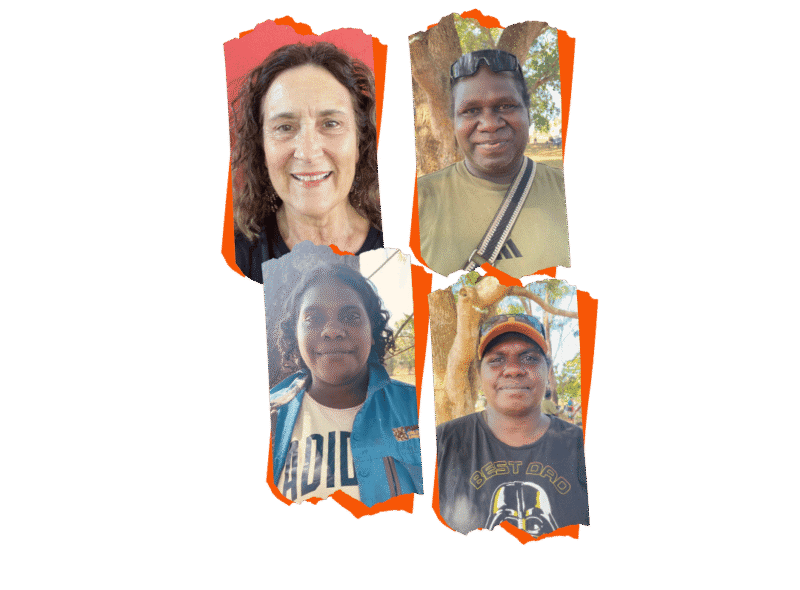
– Meron Looney, Kaitline Kerinauia, Nelly Portaminni & Anthony Timepatua, Pumuluyau Child & Family Centre
Hear from the Wangatunga Strong Women’s Group and Pumulayu Child and Family Centre about applying Safer Communities for Children (SCFC), an NT-developed approach to child wellbeing and safety rooted in Aboriginal ways of learning.
Through story sharing, non-verbal expression and place-based learning, SCFC uses seven bush animal stories to help children aged 3 to 10 explore safety and share what makes them feel safe. The approach is grounded in Dadirri, a practice of deep listening from the Daly River region.
You’ll leave able to:
- Understand how SCFC engages children through storytelling
- See Aboriginal perspectives reflected in practice
- Apply strategies that empower children’s voices
Includes an interactive story reading, feelings cards activity and hands-on session led by community facilitators.
Get to know the Speakers
Jessica Staines is an early childhood educator, advocate and professional speaker, with more than fifteen years of experience working with providers in both urban and regional communities.
As the founder of the multiple award-winning Koori Curriculum, Jessica’s commitment to social justice, reconciliation and anti-bias practices drives her to empower educators to be more culturally aware and inclusive. She facilitates a range of professional development programs, resources and workshops for educators that help guide the inclusion of Aboriginal perspectives in early childhood curriculums.
Jessica has played many significant roles nationally and internationally in building cultural understanding, reconciliation and harmony, including as an Indigenous advisor to ABC’s Playschool and as the National Representative for Aboriginal and Torres Strait Islander People at the World Forum Foundations Global Leaders Program.
Her work has been published in industry journals, and she has previously been a part of the AIATSIS Education Advisory Committee and HIPPY Reference group, contributing to the development of resources and programs that support Aboriginal children and families in the early years.
Jessica’s family are Wiradjuri and have lived off Country on Gadigal and Wangal land for four generations. Her family originally came from Cowra, Molong, Parkes and Wellington, but due to displacement, they were disconnected from their family and communities.
Today, Jessica lives on Darkinjung Country with her two children on a peaceful bush block, and is proud to identify as a Wiradjuri woman, with connections to her local Darkinjung community.
Beryl Smith is a senior paediatric occupational therapist, educator and founder of Sensory Smart Kids in regional New South Wales, with more than 30 years of experience supporting neurodivergent children and their families across hospitals, schools, disability services and private practice in both South Africa and Australia. Beryl is the creator of The Regulation Hourglass™, a practical framework that helps adults understand regulation capacity, intervention timing and co-regulation in natural environments. She is passionate about translating complex developmental and neuroscience concepts into immediately usable systems that improve inclusion, participation and family confidence.
When children are overwhelmed, dysregulated or shutting down, adults often respond by asking for more compliance, more listening or more readiness than the child’s nervous system can access. In this practical and interactive workshop, Beryl Smith introduces a regulation-first lens that helps educators and caregivers recognise what behaviour is communicating, reduce escalation, and make simple changes that improve learning, cooperation and participation immediately.
Kelly Oldfield is an Australian early years and education behaviour, wellbeing, and practice systems advisor. She works with early years services, OSHC settings, schools, and education teams to strengthen practical, consistent, and developmentally informed approaches to behaviour, wellbeing, and educator practice.
Kelly supports leaders and educators to look beyond visible behaviour and consider the wider influences affecting engagement, regulation, relationships, participation, and learning environments. Her work includes professional learning, consultation, and whole-setting support focused on building clearer systems, stronger educator confidence, and more consistent practice across teams.
Kelly is also the author of Behaviour Is Not the Whole Story: A Wider Lens on Behaviour Support, which reflects her practical, wider-lens approach to behaviour support across education and care settings.
Meron is the manager of NAPCAN in the Northern Territory and has lived on Larrakia land in Darwin for more than 30 years. She has a background in early childhood education, family support, domestic and family violence work and government policy. She has broad experience in developing resources and coordinating programs to promote safe and nurturing relationships between caregivers and their children.
Meron is passionate about working with organisations and communities across the Northern Territory to develop and deliver inclusive, culturally safe resources and programs to help children, young people and families thrive. She has been working with NAPCAN for 10 years and loves that their focus is on prevention through developing partnerships.
The Pumulayu Child and Family Centre is a community-led facility in Wurrumiyanga on Bathurst Island (Tiwi Islands), Northern Territory. Led by the Mantiyupwi Traditional Owners, the hub is designed to support young families by providing early childhood education, youth diversion, and family violence support.
Looking forward to hearing from you!
Do you have a question about the Little People, Big Dreams Conference? Want to get involved? We would like to hear from you!