
Breakout Speakers
Embedding Aboriginal Pedagogy in Practice
-
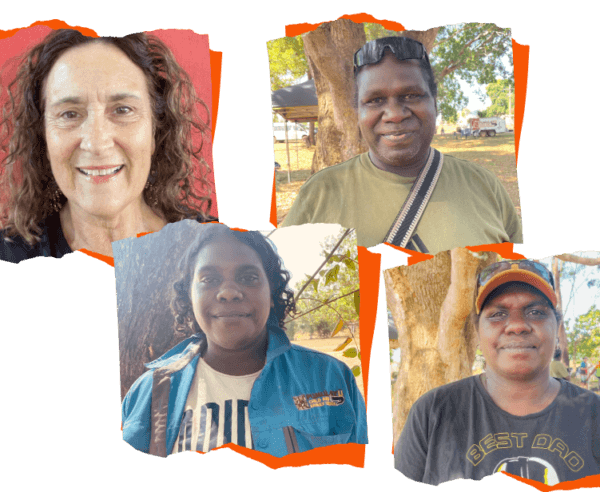
Jessica Staines
– Koori Curriculum
“Building a Culture of Custodianship in Early Childhood Settings”
Explore how Aboriginal perspectives can help educators reimagine sustainability and community through the lens of relational pedagogy.
-
Meron Looney, Kaitline Kerinauia, Nelly Portaminni & Anthony Timepatua
– Pumuluyau Child & Family Centre
“Safer Communities for Children: Applying a cultural lens to program delivery in a remote community. What can we learn?”
Learn about how Pumuluyau Child & Family Centre has been applying their own lens to implement Safer Communities for Children in early childhood and parenting support settings to promote the wellbeing and safety of Tiwi children and families.
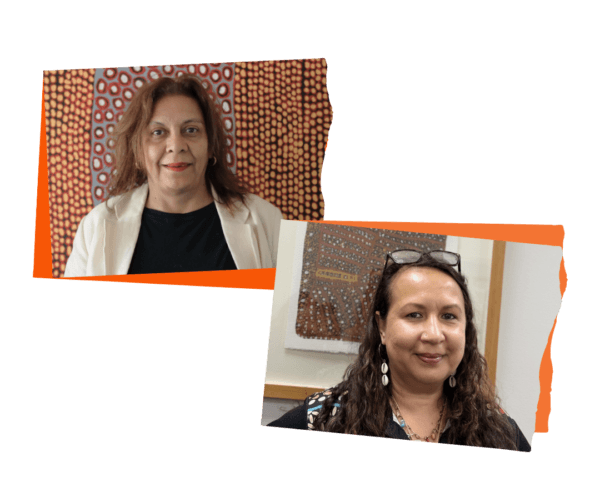
Angela Ross & Lare Stanton
– Batchelor Institute of Indigenous Tertiary Education
“A Holistic Education and Wellbeing Framework: A Culturally Grounded Model for Inclusive Education and SEWB”
Examine the integration of Universal Design for Learning (UDL) with Aboriginal ways of knowing, being and doing to support neurodiversity and inclusive practice in Early Childhood Education and Care (ECEC) contexts.

-
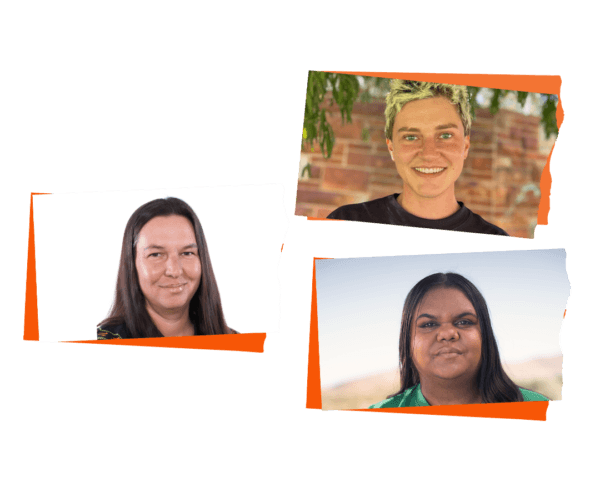
Zeke Sitas, Kahlia Preece & Kitana Shaw
– Tangentyere Council Aboriginal Corporation
“Girls Can Boys Can: How early years educators can contribute to preventing DFSV in their settings”
Delegates will not only further their understanding of DFSV in the Northern Territory context, but will leave knowing exactly how they can implement resources into their every day practice and programming to combat harmful social attitudes on gender and race.
-
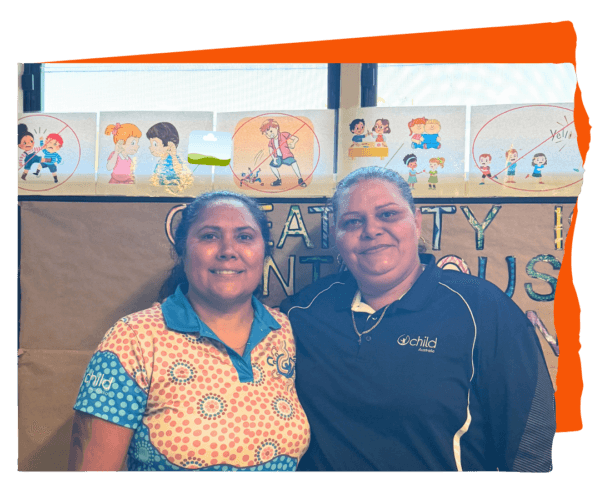
Marita Mummery, Natalie Harwood & Friends
– Child Australia
“Community partnerships: A lived experience”

Leading with Purpose
-
Helen Flugge & Fiona Rudkin
– Child Australia
“Policy Puzzle- Solved!”
This training will break down policies into simple, easy-to-understand language. Educators will learn what policies mean, why they are important and how to use them in everyday practice
-
Ella de la Motte
– Early Childhood Consultant
“The Momentum Project: Bringing Teams Along Through Meaningful Change”
Through honest conversations, practical strategies, and deeply reflective experiences, Ella encourages educators to challenge “the way things have always been done” and instead create spaces and practices that feel purposeful, meaningful, and connected.
-
Katie Jayne O’Brien & Sarah Davis
– Catholic Education Office Northern Territory
“The Playful Architect: Leading Change through Experimental Leadership and Collective Joy”
Walk away with a personalised “Leadership Playbook” designed to bridge the gap between systemic compliance and classroom-level joy.
Safety in Every Moment
-
Rocky Beaton & Sonali Fernandes
– Child Australia
“See Me, Know Me, Keep Me Safe: Neurodiversity and Responsive Supervision in Early Childhood”
Explore how a neurodiversity-informed approach can strengthen active supervision by supporting educators to recognise individual needs, anticipate potential risks and respond in ways that promote children’s safety, wellbeing and inclusion.
-
Holly-ann Martin
– Safe4Kids Pty Ltd
“From Awareness to Action: Turning Child Safety into Everyday Practice”
Confidently teach children the key message “We all have the right to feel safe all of the time” using engaging sign language techniques helps children of all learning styles to understand and retain this critical concept
-
Georgina Poole
– Event Learning Australia
“Curiosity and Care: Asking Better Questions to Create Safer, Calmer and More Connected Learning Environments”
Explore how curiosity-led questioning can help educators better understand children’s behaviour, reduce assumptions, improve incident learning, strengthen family engagement, and support psychological safety for both children and educators.


The Power of Play
-
Kelly Oldfield
– Child Development and Behaviour Specialists
“A Wider Lens on Play: Engagement, Behaviour, and Belonging”
This workshop takes a wider lens on play, not just as a learning experience, but as an important context for understanding what may be influencing a child’s participation and behaviour.
-
Aylja Freeborn
– Disability Advocacy Service inc
“The Brain at Play: Puppets as a pedagogical tool”
Walk out with a finished puppet, made from simple and accessible materials, ready to use in your classroom on Monday morning. Step outside your comfort zone in a low-stakes way, with the discovery that you don’t need to be theatrical to be a great puppeteer.
-
Angus Gorrie
– The Outsiders Play Advocates
“The Power of Your Service WHY: Strengthening Play and Playwork Culture”
This session will probe the delegates for their thoughts on virtues based team work, their own personal challenges, their own personal values.

Embracing Neurodiversity and Inclusion
-
Siobhan Kennedy-Costantini
– Science Minded Child Development
“From Struggles to Strengths: Understanding Temperament and Neurodiversity in Early Childhood”
leave with a clear understanding of how temperament and neurodiversity shape children’s behaviour, and why some children experience everyday expectations as more challenging than others.
-
Beryl Smith
– Sensory SMART OT
“Regulation Before Readiness: Supporting Behaviour, Learning and Participation Through a Nervous System Lens”
Recognise signs that a child’s nervous system capacity is limiting behaviour, learning or participation in the moment. Identify common adult expectation mismatches that unintentionally increase dysregulation. Apply practical regulation-first adjustments to improve inclusion, cooperation, transitions and engagement across everyday environments.
-
Leonie Cecich
– Kids ’n’ Music
“Music, Movement and Regulation: Inclusive Strategies for Early Learners”
Gain confidence in using simple songs, rhythm, movement and sensory-based activities to enhance participation, communication, attention and body awareness in everyday learning environments.
-
Sarah Rheinberger
– Sarah Rheinberger Consulting
“Good for everyone, crucial for some: An interactive conversation about inclusion in early learning”
This session is a chance for educators and leaders to talk honestly about what inclusion really looks and feels like in early learning settings; the wins, the worries and the “not sure what to do here” moments.