

Line-up of Breakout Room Speakers
Riverview Room 1
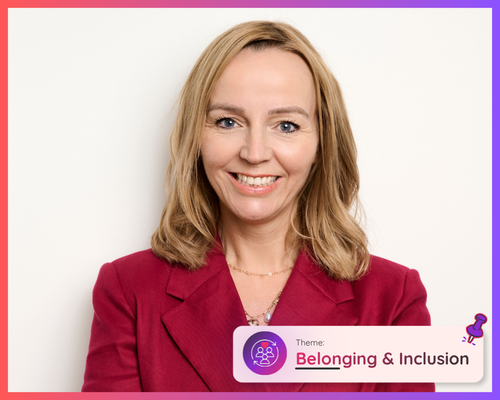
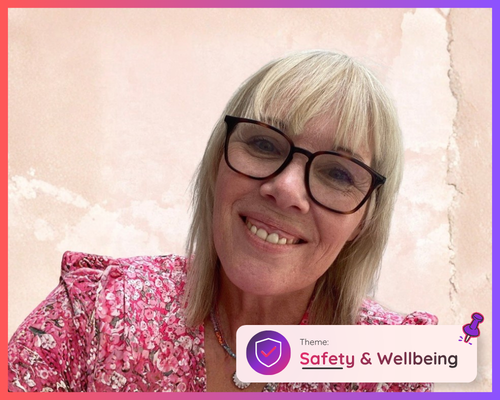
Dr Louise Mansell
– Tedology
“Brain Before Behaviour: A Trauma-Informed, Neuroaffirming Framework for Responding Confidently to Diversity and Complex Needs”
How can we have it all? What if understanding children’s needs and the developing brain could help us respond confidently to children with and without experiences of trauma, and across diverse needs?
Join Clinical Child Psychologist Dr Louise Mansell for an interactive exploration of the developing brain and a practical trauma-informed, neuroaffirming and “do no harm” framework that can become the foundation for how educators and services support all children to feel safe and thrive.

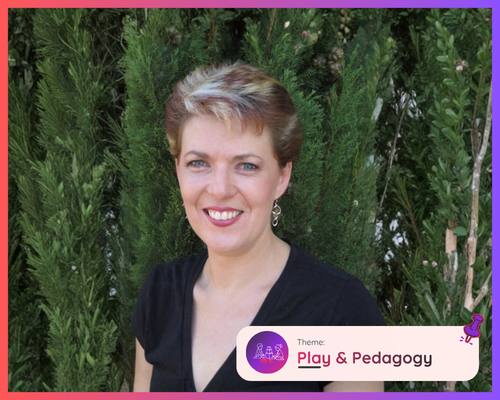
Leonie Cecich
– Kids ‘n’ Music
“Music, Movement and Regulation: Inclusive Strategies for Early Learners”
Move, sing, play and learn! Join Leonie Cecich from Kids ’n’ Music for a fun, highly interactive workshop exploring how music and movement can support regulation, communication, engagement and inclusion for young learners aged 0 – 8 years.
Be prepared to get involved as you experience original songs from Leonie’s You Gotta Get Up series, along with singing, movement, rhythm, percussion, key word signing, scarves, bubbles and playful sensory activities.
Riverview Room 2
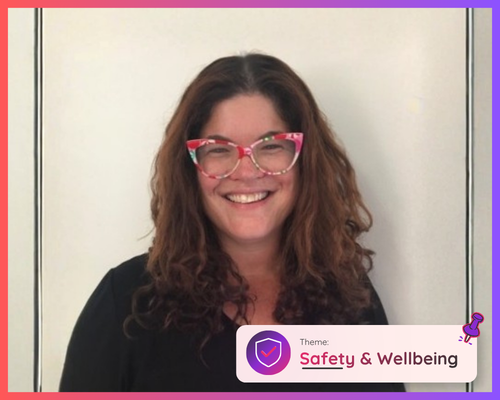
Shiri Hergass
– Western Sydney University
“Beyond Self-Care: The Emotional Work of Early Childhood Education”
Children need educators who can remain present, empathic and emotionally available, particularly through challenging behaviour and distress. But we rarely talk about the impact this can have on the educators caring for them.
Beyond Self-Care explores this emotional and relational dimension of early childhood practice and the connection between educator wellbeing and the relationships educators hold with children.
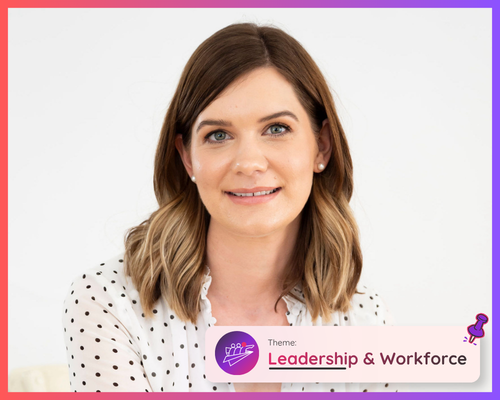
Amie Fabry
– Dr Amie Consulting
“Lead the Culture You’ve Always Wanted“
You already know the culture of your service matters. But when you’re deep in the day-to-day, it can feel like something that just… happens.
This session is your invitation to look up, take stock, and lead your culture with purpose. Bring your curiosity and leave with a culture audit you’ve completed on your own service, a practical leadership model to guide your next steps, and strategies you can put to work straight away.
Stephanie Bennett
– The-Curiosity-Approach
“Intentional Learning Environments from Chaos to Sanctuary, The-Curiosity-Approach”
Overstimulated, plastic-heavy rooms leave both children and educators exhausted.
Join international author, speaker, and co-creator of The Curiosity Approach®, Stephanie Bennett, for an inspiring, heart-led workshop exploring why children deserve warm, homelike sanctuaries over institutional classrooms.
Riverview Room 3
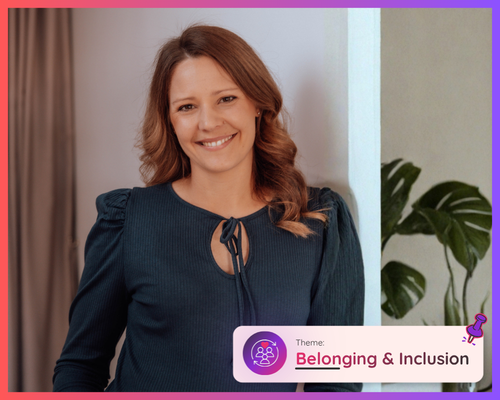
Trudi Bennet
– Educated by Nature
“The Power of Play Isn’t a Trend – It’s a Right”
Play is not a reward, a break from learning or a passing educational trend, it is a fundamental right of childhood. Yet in increasingly busy, risk-conscious and outcome-driven environments, children’s opportunities for deep, self-directed play can easily be squeezed out.
In this interactive session, Educated by Nature draws on Bush School experience and Playwork-informed practice to explore what it really means to protect children’s right to play.
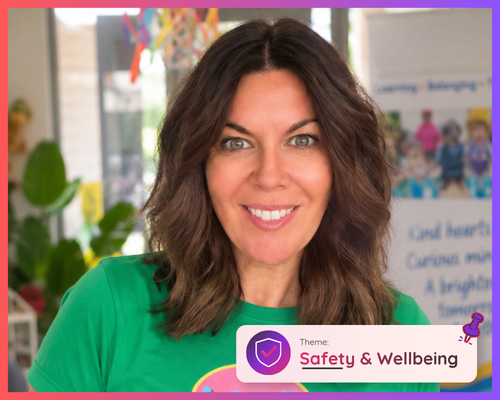
Desaliegh Harvie
– Mind Bubbles
“Not Another Thing to Carry: Building Shared Protective Capability Around Children“
What if supporting children’s mental, emotional and social wellbeing didn’t mean asking educators to carry more? Not Another Thing to Carry challenges the separation between educator wellbeing and children’s safety, regulation and behaviour support.
Explore how simple, proactive movement, breath, emotional literacy and relational strategies can support educators while progressively building children’s capacity to recognise their needs, regulate, recover and seek support.
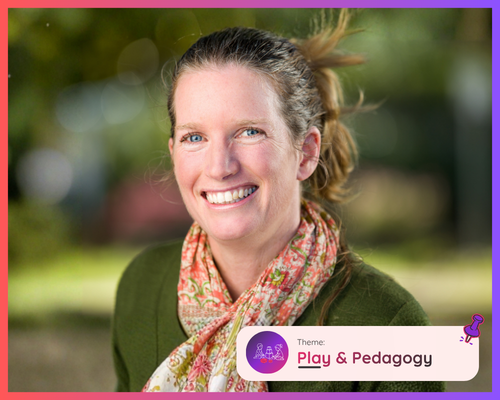
Kate Keisler
– Calm and Connected
“Tension and Trauma Releasing Exercises: A Practical Tool for Nervous System Regulation”
Tension and Trauma Releasing Exercises: A Practical Tool for Nervous System Regulation Caring for and educating young children requires calm, responsive and emotionally available adults, but educators often have limited time and resources to care for their own wellbeing.
This practical, experiential session introduces Tension Release Exercises (TRE), a body-based approach that may help release muscular tension, reduce accumulated stress and support nervous system regulation.
Black Swan Room
Prof. Helen Milroy
– The University of Western Australia
“From Story to Creativity and Play”
This session will further explore the importance of storytelling through a creative writing exercise followed by translation into learning.
The first part of the session will look at the development of a story using curiosity and character development in an anthropomorphic style which can have cross cultural and universal appeal. This will be followed by developing ways to embed the story into real life activities and multimodal learning to enhance interest and imagination.
Farah Junaid
– Communities at Work
“The Taylor Way: Every Educator a Leader – Transforming Culture Through Distributed Leadership“
What if leadership wasn’t something reserved for directors or educational leaders? What if every educator had the opportunity to lead, influence and make a meaningful difference?
This interactive workshop explores how distributed leadership can create cultures where educators feel valued, connected and empowered to contribute their unique strengths.
Cygnet Room
Siobhan Kennedy-Costantini
– Science Minded Child Development
“Hands Holding Hands: Using Attachment-based Leadership to Support the Adults who Support the Children”
Self-regulation is a foundational skill for children’s participation, learning, relationships and wellbeing, yet translating research about child development and the brain into practical, sustainable strategies can be challenging for early childhood educators.
This interactive presentation introduces RAMSR (Rhythm and Movement for Self-Regulation), an evidence-based program that bridges this gap by translating research on rhythm, movement, neuroscience and self-regulation into structured, practical activities that can be embedded within everyday early childhood practice.
Ruth Wallace & Amelia Ruscoe
– Edith Cowan University
“Developmental Concerns: Starting the Conversation”
This workshop highlights how early childhood educators can play a pivotal role in building children’s health literacy through everyday learning experiences.
This session showcases an evidence-based approach to integrating key health concepts such as hygiene, nutrition, oral health, and wellbeing into daily practice.
Victory Lounge
Rebecca Eager
– RAMSR
“Building Self Regulation Through Rhythm and Movement”
Self-regulation is a foundational capacity underpinning children’s participation, learning, social relationships and wellbeing. However, translating contemporary research on child development, neuroscience and self-regulation into practical strategies that can be consistently implemented within everyday early childhood settings can be challenging.
This interactive session introduces RAMSR (Rhythm and Movement for Self-Regulation), an evidence-based program designed to bridge this gap by translating research on rhythm, movement and neuroscience into structured, practical experiences for young children.
Dr Sam Casey
– Play Prescription
“Is It Really a Skills Deficit? Bringing the Wisdom of Play Therapy Into Everyday Moments With Children”
When a child is struggling, how do we decide what they need from us? A new skill? A coping strategy? Help to regulate? Or might they first need to feel seen, understood and validated within what they are experiencing?
Drawing on Dr Sam’s Play Prescription® framework, this interactive session invites educators to explore the child, the adult and the environment – and consider how our own interpretations and expectations shape what we believe a child needs.
More details coming soon!
Check out the ECLD27 event on Facebook and click “GOING” or “INTERESTED” to receive regular updates.