
Supervision is one of the most frequently discussed and critically important topics in the early childhood education and care (ECEC) sector. It is a foundational requirement of the National Quality Framework (NQF) and central to ensuring every child’s health, safety and wellbeing. Yet despite its universal presence in policies, professional learning and staff meetings, supervision remains one of the most common areas of non-compliance across Australia.
As summer approaches, with its added complexities of water play, heat, fast-paced outdoor activity and increased movement across environments, the importance of communication becomes even more evident. ACECQA reminds us that active supervision is intentional, dynamic and deeply relational. It depends not only on an educator’s physical presence, but on their ability to communicate clearly, collaborate effectively and stay attuned to the children and team around them.
Supervision Is a Collective Responsibility
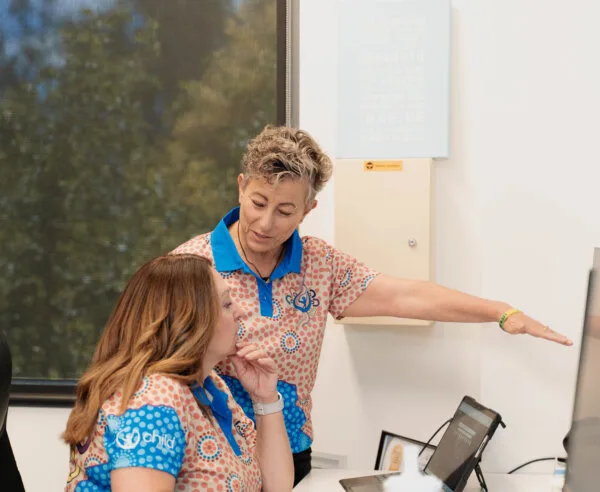
Effective supervision is never the responsibility of one educator alone. Even when supervising independently, each educator is still part of a broader system that relies on shared communication, shared expectations and shared situational awareness.
Clear communication allows educators to understand their roles, respond to changes in children’s behaviour, coordinate movement around the environment and maintain consistent safety messages. When communication is absent or unclear, supervision weakens. Small misunderstandings such as assuming another educator is watching a specific area, or failing to mention a child’s changing emotional state can quickly create gaps that compromise safety.
ACECQA emphasises that supervision involves both positioning and a thorough knowledge of the children. Neither can be effective without communication that keeps everyone informed, connected and responsive.
Connection: The Heartbeat of Supervision
Strong supervision grows from strong relationships. When educators know children deeply, their interests, patterns, communication cues, sensory needs, friendships and stress signals, they can anticipate behaviour before it escalates and support safe risk-taking with confidence. This ability to does not come from observation alone; it comes from meaningful connection.
A connected educator can recognise subtle changes in behaviour, foresee tension in friendships, notice early signs of dysregulation and interpret the meaning behind a child’s actions. These connections help educators to scaffold play, guide behaviour, promote learning and maintain safety all at once.
These relationships begin long before a child enters the room. They are nurtured through tours, orientations, daily conversations, transitions between rooms and ongoing communication with families. A transition form or handover note cannot replace rich discussions, active listening and continuity of relationships across the service.
When teams share information effectively, not just through documentation but through purposeful dialogue and action, it strengthens the collective understanding that ultimately supports high-quality supervision.
Communication: The Glue That Holds It All Together
Communication is often the determining factor between effective supervision and unsafe situations. Many of the most common supervision challenges stem from preventable communication breakdowns. These can include unclear expectations, inconsistent positioning, silence during busy periods, limited updates about individual children or a lack of confidence among educators to speak up when they feel overwhelmed.
Strong communication does more than prevent incidents, it creates a culture where educators feel connected, supported and aligned in their approach. This can include simple pre-shift discussions about supervision zones, quick check-ins during transitions, shared language for signalling hazards, or reflective conversations at the end of the day. Communication becomes a habit rather than an occasional practice, weaving safety, trust and responsiveness into the fabric of the service.
Family communication also has a powerful impact. When educators stay informed about changes in a child’s sleep, wellbeing or home routines, they are better equipped to anticipate behaviour throughout the day. This kind of partnership strengthens supervision from the inside out.
Summer as a Reminder to Act
Summer brings wonderful opportunities for learning, but it also presents seasonal risks such as increased water play, larger outdoor groups, higher noise levels and more dynamic physical play. These conditions amplify the need for clear and proactive communication.
A simple message like, “I’m stepping away to refill water bottles, can you increase your visibility near the climbing frame?” reflects the small decisions and conversations that help prevent incidents and ensure children remain safe. These moments highlight why communication must be deliberate, consistent and embedded into everyday practice.
Communication as a Sustainable, Preventative Practice
Connection and communication are two of the strongest preventative tools we have in ECEC. When educators feel empowered to communicate openly and when teams share a deep understanding of the children in their care, supervision becomes more responsive, relational and sustainable. It shifts from being viewed as a compliance requirement to being recognised as a collective act of care.
These themes belong in every service’s Quality Improvement Plan. When teams reflect on barriers to supervision and turn those reflections into goals, they create long-term improvements that keep children safer and educators more confident.
Final Reflection
Effective supervision is not simply the act of watching and listening. It is knowing, anticipating, communicating, collaborating and responding with intention. As we enter the summer months, this is the ideal time to strengthen the communication habits and relational practices that underpin safe, attuned and high-quality supervision.
When educators invest in connection and commit to meaningful communication, they create environments where children can explore, take risks, play confidently and thrive supported by adults who are present, informed and deeply connected to one another.