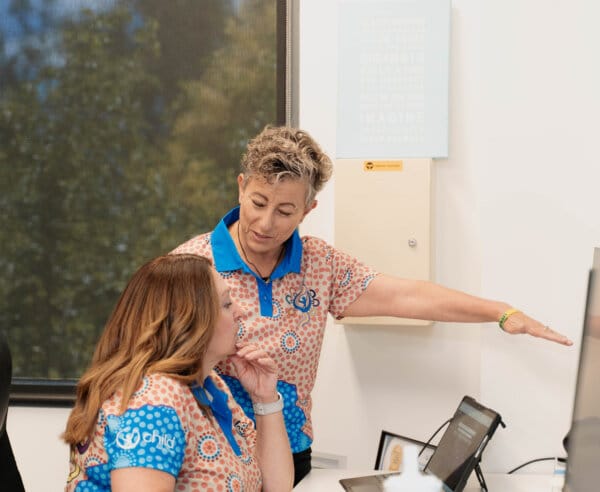

The start of a new year, new term or a return after a break can feel like stepping back onto a moving train. Whether you have had two days off or two weeks, the rhythm of the early childhood day returns quickly. The chatter of children, the routines that anchor the day, the constant balancing of care, connection and compliance.
For many educators across the Early Childhood Education and Care (ECEC) sector, getting “back into the groove” isn’t about doing more, it’s about reconnecting with what matters most and giving yourself permission to ease back in with intention.
Easing back in with intention gives us space to prepare for the return to busy days without tipping straight into overwhelm. It’s an opportunity to pause, breathe, reconnect with your role, and gently reflect on your intentions as you step into 2026.
Returning to Practice, Not Rushing It
Breaks are essential. Whether you’ve stepped away over the holidays, transitioned into a new role, or are simply catching your breath after a particularly busy period, returning to practice can bring a mix of emotions.
Alongside renewed energy or motivation, it’s common to feel tired, a little out of rhythm, or uncertain as you find your feet again. All of this is normal and it’s something many educators experience, even after years in the sector.
Rather than expecting yourself to be instantly switched on or back at full pace, it can be helpful to approach the return as a reset, not a race.
The foundations of quality practice, strong relationships, being present in the moment and taking time for reflection, don’t disappear during time away. They remain within you, ready to be gently re-awakened as you ease back into the flow of the day.
Why a PD Refresher Matters
Professional development isn’t just about meeting requirements or ticking boxes. It’s a way to rebuild confidence, refresh knowledge and realign with current expectations, especially in a sector that continues to evolve.
Starting with a refresher of PD essentials can help you:
- Revisit core responsibilities such as supervision, child safety and wellbeing
- Re-familiarise yourself with expectations under the National Quality Framework
- Gently reconnect theory with everyday practice
- Feel more confident and grounded as routines and responsibilities pick up again
Think of it like stretching before movement, a small investment that supports everything that follows.
Start Small, Start Where You Are
You don’t need to overhaul everything at once or have all the answers straight away.
Often, it’s the smallest steps that help us find our rhythm again.
A short webcast, a self-paced refresher or revisiting a key topic you haven’t engaged with for a while can be enough to spark momentum and rebuild confidence.
These moments of learning don’t need to be lengthy or intensive; they just need to be purposeful and achievable.
It can be helpful to pause and ask yourself:
“What’s one area of practice I’d like to feel more confident in again?”
“Is there a core topic I haven’t revisited in a while?”
“What would help me feel more settled, supported and prepared right now?”
Starting small allows professional learning to fit naturally around the busy realities of the day, rather than becoming another pressure or expectation to manage. It gives you the freedom to learn in a way that feels supportive, not overwhelming.
Learning as Care, for You and for Children
When educators feel confident, informed and supported, children feel it too.
Taking time to refresh your professional knowledge is an act of care for yourself, your colleagues and the children and families you support each day.
It strengthens decision-making, builds consistency, and reinforces the sense of safety and connection that sits at the heart of quality practice.
As you settle back into the groove, remember that growth doesn’t have to be loud or fast. Sometimes it shows up quietly in moments of reflection, in revisiting the basics, or in reconnecting with the values that brought you to this work in the first place.
Welcome back! Take a breath. You’ve got this. 💪